
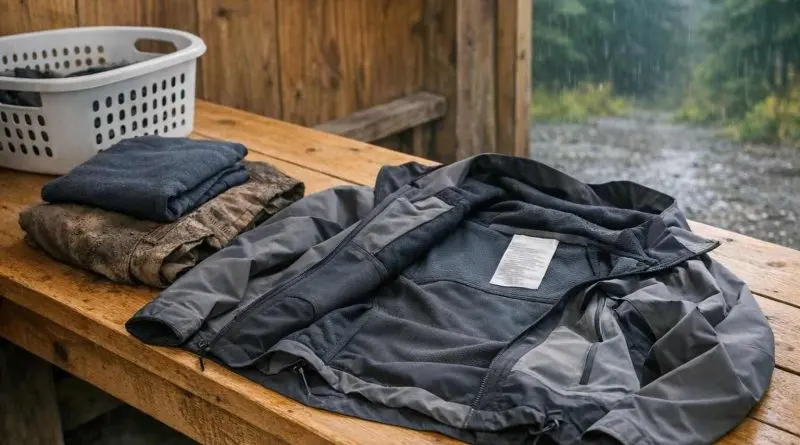
Comparing Outdoor Fabric Care Labels Before Washing a Mixed Load
Washing outdoor clothing can be a complex task. Many items are made of different materials, such as softshell, merino wool, insulated clothing and work trousers that have been covered in mud. But by reading the labels on each item before throwing them in the wash, you can protect the water resistance, stretch, warmth and fit of your gear and avoid having to repair or even throw away items that could have been washed safely. And although washing each item separately is often the best option, there are often several items with compatible washing instructions.
Start with the strictest instruction
The softest of words on a garment's label are limits not average values. Thus while one garment may be washed in warm water, others within the same load must be washed in cold water. In addition, the gentlest cycle within a garment's label instructions will determine the nature of the entire laundry load.
Read the details of the symbols. While the fabric may be made of polyester (Polyamide), there are many different constructions such as coated, membrane, insulated and trim to name a few. They can all have different washing care. There may be restrictions to machine washing, wash temperature, spin cycle, use of detergent, addition of fabric softener, use of bleach and drying on a clothes line or in a tumble dryer. Some items may need to be closed before washing, i.e. zipped up.
If you find that there are conflicting labels then wash the most restrictive item separately from the rest. It does not matter if there are extra items in the rest of the group, do not risk damaging a technical outer or knitted item by washing it in a harsher wash than it was designed for.
Sort by construction, not just color
Even with color sorting, for technical clothing it is not sufficient to wash similar items together. Much more important is the construction of the individual items and what needs to be preserved.
Many items such as durable woven trousers, ordinary synthetic layers, stretch garments, wool or wool-blend base layers and outer layers with a finish or membrane can be sorted into such groups. However, they do not necessarily have to be washed in separate loads. Such items can be washed together in one load, as long as they are washed gently and washed in similar wash cycles and with similar care on drying.
Sorting into different groups does not have to mean that each group is washed separately. For example, you can wash your synthetic base layers and your lightweight fleeces in the same wash as long as they are to be gently washed. It's the coated shells that are best washed alone.
Decide whether a mixed load is worth it
They can be washed together in one load if you make sure they have been used similar and they are going to be washed in the same lowest risk settings. Also, make sure they are not bringing very different dirt into the load and do not get overly filled with extra clothing.
However, mixed loads are best for slightly used items of clothing that have only light dirt attached and are able to be washed on the lowest temperature setting with the same detergent. Insulation, mesh and water repellent garments are best washed in separate loads and in accordance with the special care instructions on the label for that item.
Make sure to empty all pockets and remove any washable accessories (like hats) before washing. Also, zip up all zippers, make sure any hook-and-loop closures are fastened, and turn clothing with labels that suggest turning inside out prior to washing inside out. This will prevent snagging of clothing during washing.
Treat technical fabrics according to their weak points
There are several functions that outer layers of clothing need to perform, including the distribution of moisture, wind resistance, water repellency, elasticity and insulating properties. No washing process can improve any of these characteristics and some could even be damaged by inappropriate washing procedures.
Just because a garment is washed does not mean that it can be sprinkled with extra detergent or packed with softeners to make it smell of roses. Performing a wash cycle does not improve the functions of a garment with moisture-managing properties. Also, lots of performance garments are made from materials that are not suitable for softeners. Read the label of your garment and follow the washing detergent recommendations.
In some instances, there may be a manufacturer-approved treatment for a water-shedding surface that has lost its performance. However, do not automatically assume that more washing will 'clean' the garment. Surface wetting can appear to be dirty garment matter, but be sure to check if the garment is actually dirty, if the recommended process is stated on the garment's label and whether the garment's problem is a surface issue or a failure of the waterproof and/or breathable membrane.
Choose drying with the same care as washing
Drying also needs to be done with the same care as washing. Yes, reading the symbol on the care label is not enough. Most outdoor clothes need to be turned inside out before washing and also before drying. If they can be tumble-dried then the garment must be removed from the dryer when the cycle has finished to prevent creasing.
Read the dryer instructions, including any special shapes required, and remove your outdoor clothes from the dryer when the cycle ends. If you are left to dry any of your outdoor clothes remove them from any other clothes and lay them out to dry as normal, support as recommended by label. Pay particular attention to seams, elastic, pockets and insulation.
Try to avoid storing clothing that has not been fully washed out and dried. Clothing can smell musty and even become dirty if stored while still damp. Make sure clothing, especially thick waistband areas, cuffs, padded areas and inside of pockets are completely dry before folding or hanging up for storage in well ventilated areas.
Keep a simple care decision for next time
Many problems with clothing can be fixed by a simple repair or by a slight change in washing, if they are noticed in time. Look for things such as loose seams, blocked up pockets, peeling print, stretched cuffs, zip broken, reduce in loft or change in surface texture of fabric.
If the care labels are worn then it is worth taking a photograph of them before they completely wear away. It is also worth recording the material and model number of expensive garments that have missing care labels. This will enable you to seek current advice from the manufacturer or a reputable repairer as necessary.
A good mixed load is one of gently washed clothing that all are washed in a gentle compatible process without losing any of the special properties of each garment that you took them outdoors with in the first place.