
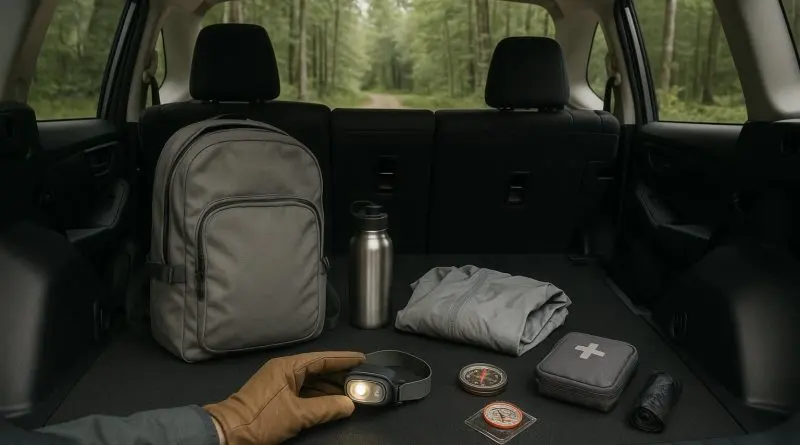
A Practical Gear Audit for a Safer, Lighter Day in the Field: The Decisions That Shape the Outcome
Before leaving for a half-day hunt, decide whether each item in your pack solves a likely problem or merely reflects anxiety. Excess weight can slow your return, poor visibility can create a safety concern, and missing information can turn a legal hunt into an avoidable violation. A useful gear audit treats preparation as a chain of decisions: assess what you carry, what you know and what you will do if the plan changes.
Start with the outing, not the equipment
Consider a familiar area, several hours in the field, a shifting forecast and uneven ground. You do not need the same load as someone spending a full day far from a trailhead. You do need enough water, weather protection, navigation support, communication and first-aid capacity to handle a delay or minor injury without improvising badly.
Write down the actual conditions before opening a gear drawer. How long will you be out? How far could you be from help? Will you cross private property, water or steep terrain? Are you carrying equipment that requires special handling or documentation? These answers establish a sensible baseline and keep "just in case" items from filling the pack.
Lightweight hiking gear is useful when it removes bulk without removing a safety function. A compact layer may replace a heavy spare garment if it still protects against expected conditions. Save weight by removing duplicates, excessive packaging and unnecessary comfort items before cutting water, insulation, navigation or emergency communication.
Check the essentials for failure, not appearance
Clean equipment is not necessarily reliable. Inspect straps for stretched stitching, closures for broken teeth, batteries for charge and footwear for worn soles. Open the first-aid kit and replace anything used, expired or damaged by moisture. Test a headlamp in darkness rather than assuming it works because the switch moves.
Apply the same standard to clothing. A shell that wets through at the shoulders, gloves that restrict dexterity or a pack with a failing buckle can become a problem when you need them most. Store rain protection where you can reach it quickly, not beneath items you hope never to use.
Separate critical items from convenience items. A phone, map, light, water and first aid should not depend on one fragile accessory or a single power source. Carry a small reserve for navigation and communication, and know the area's coverage limits. A device helps, but it does not replace understanding the route.
Use a checklist that reflects real decisions
A short checklist should catch omissions without becoming a ritual nobody reads. For a typical day outing, review these groups:
– Permission and compliance: required licenses, tags, identification, land access and current equipment restrictions.
– Personal safety: suitable clothing, water, food, first aid, light, fire-safe emergency options where permitted, and a charged communication device.
– Navigation: map or offline map, compass if appropriate, route notes and a clear turnaround time.
– Weather and terrain: rain or insulation layer, eye protection, footwear condition and traction needs.
– Care for the place: waste pouch, reusable containers, sanitizing supplies and a plan for handling field dressing or organic material responsibly.
– Return plan: a trusted contact who knows the area, intended route and when to raise concern if you do not check in.
The list is not proof that an outing is safe. It is a prompt to make decisions while there is still time to change the plan.
Let regulations shape the load
Rules may govern seasons, access, tagging, transport, visibility requirements, methods, baiting, species identification and the handling of harvested game. Requirements vary by jurisdiction and can change, so confirm current guidance through the relevant official wildlife agency, land manager or access authority before leaving.
Verify this information before reaching the trailhead. Save applicable guidance for offline reference if service may be unreliable, and check that digital documents or maps remain accessible when the battery is low. If a rule is unclear, postpone the questionable action and seek clarification instead of relying on old memories or informal advice.
A regulation check also supports conservation ethics. Responsible hunting means identifying the target correctly, respecting boundaries, following season limits and avoiding unnecessary disturbance. The goal is not to find a way around a restriction, but to understand it and make a lawful choice when conditions do not fit the plan.
Build in a safer change of plan
The most valuable item may be a decision made before departure: a firm turnaround time. Weather, fatigue, poor visibility or confusing sign can all justify ending the outing. Returning safely is a better result than pressing ahead because the original objective feels close.
Tell someone where you are going, when you expect to return and what to do if you miss that time. Keep the message specific enough to help, but do not assume the contact can track you automatically. If you change the route, update the plan when possible.
Small habits reduce avoidable exposure. Manage food and scented materials according to local guidance, avoid blocking access routes and pack out what you bring in. Give sensitive habitat, nesting areas, closed land and heavily used sites space. Habitat stewardship often means staying on durable surfaces, limiting noise and leaving a place undisturbed.
Audit the pack after you come home
Let the return trip provide evidence for the next audit. Note what remained unused, what was hard to reach and what failed. An item repeatedly carried but never useful may be removed. An item that was needed but buried, wet or uncharged needs a new storage location or replacement.
Record changes in your route, access permissions, seasonal conditions and official guidance. This keeps the next audit grounded in current information rather than habit. The lighter pack is not the main achievement; the better decision process is.
For an ordinary half-day outing, the right kit is neither the biggest nor the most technical. It is a deliberately checked set of tools that supports safety, lawful conduct, responsible access and a calm response when the field refuses to follow the plan.